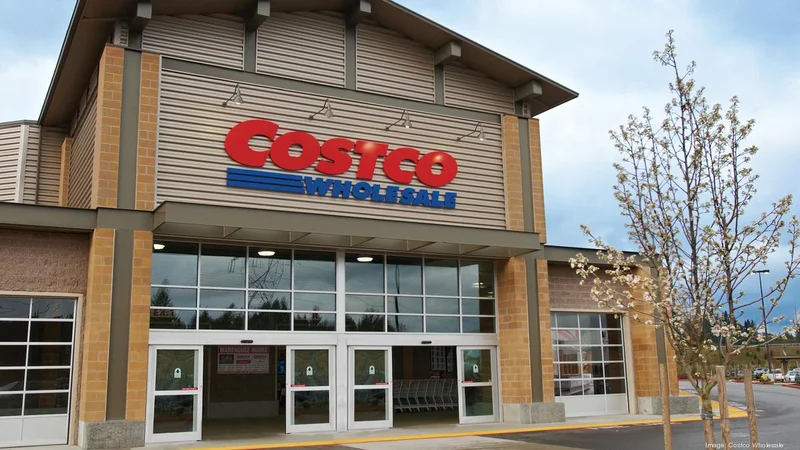
Alright, folks, let’s talk about something that’s been popping up way too often lately: recalls. Specifically, those Costco recalls we’ve been seeing – from Caesar salads with sneaky plastic bits to prosecco bottles exploding like tiny, bubbly grenades. It's easy to dismiss these as isolated incidents, but I think they’re flashing neon signs pointing to a much bigger issue – a critical need for radical transparency and a proactive safety overhaul in our food supply chain.
We've seen it: Costco recalling ready-to-eat Caesar Salads and Chicken Sandwiches because of plastic fragments in the dressing, sold in the Midwest, Northeast, and Southeast. Danger Notice: Plastic Risk Prompts Popular Costco Food Recall Then, bam, nearly a million bottles of Kirkland Signature Prosecco Valdobbiadene recalled because they could shatter. One laceration injury reported! It's unsettling, right? But stay with me, because this isn't just about pulling a salad off the shelves.
Think about it like this: our current food system is a bit like a black box. Ingredients go in one end, processed goodies come out the other, and we, the consumers, are mostly in the dark about what happens in between. These recalls are moments when the box cracks open, and we get a glimpse – a sometimes unsettling glimpse – of the vulnerabilities within. The speed of these recalls, however, is encouraging. Retailers are acting fast.
But what if we could see inside the box all the time? What if we had a system where every step of the food production process, from farm to shelf, was transparent and traceable? Imagine a world where you could scan a QR code on your salad and see exactly where the lettuce was grown, how the dressing was made, and what safety checks were performed along the way.
That's not some pie-in-the-sky fantasy, people. The technology exists today to make this a reality. Blockchain, the same technology that powers cryptocurrencies, can be used to create a secure, immutable record of every transaction in the food supply chain. Sensors and IoT devices can monitor temperature, humidity, and other critical factors to ensure food safety in real-time.
And what about the plastic? The recalls highlight the uncomfortable truth that plastic is everywhere in our food system. It's used in packaging, processing equipment, and even in the fields themselves. While researchers are still trying to fully understand the long-term effects of microplastics on human health, the early studies are, shall we say, less than encouraging.
The solution isn't to ban plastic overnight – that's simply not realistic. But we can, and must, reduce our reliance on it. We need to incentivize companies to develop and use sustainable alternatives, like biodegradable packaging and plant-based plastics. And we need to invest in research to better understand the risks of microplastics and develop strategies to mitigate them.
I know what some of you are thinking: "This all sounds great, Aris, but it's going to be expensive." And you're right, it will require investment. But consider the cost of not doing anything. The cost of foodborne illnesses, the cost of recalls, the cost of consumer distrust – these are all very real, very significant costs.
When I first started looking at this, I was honestly a little overwhelmed. The scale of the problem seemed daunting. But then I started seeing examples of companies and organizations that are already working to create a more transparent and sustainable food system. Companies that are using blockchain to track their products from farm to table. Organizations that are developing innovative solutions to reduce plastic waste. Individuals who are speaking out and demanding change.
And that's when I realized that this isn't just a technical challenge – it's a human challenge. It's about our willingness to demand better, to hold companies accountable, and to invest in a future where our food is safe, sustainable, and transparent. It's about recognizing that the food we eat is not just a commodity – it's a reflection of our values.
This reminds me of the early days of the internet. Back then, people were skeptical. They didn't see the potential. They thought it was just a fad. But a few visionaries saw the transformative power of the internet, and they worked tirelessly to build the infrastructure and the applications that would change the world. We need that same kind of vision and determination today to transform our food system.
Think about it: improved monitoring of production facilities, stricter rules for manufacturers, less plastic use. What if we could drastically cut down on these issues before food even reaches customers? What if we empowered consumers to make informed choices about the food they eat? What if we created a system where food safety was not just a priority, but a fundamental right?
Of course, this isn't just about technology and regulation. It's also about personal responsibility. We can all make choices that support a more sustainable food system. We can buy local, organic produce. We can reduce our consumption of processed foods. We can recycle and compost. And we can speak out and demand change.
But let's be clear: transparency and sustainability are not just feel-good buzzwords. They are essential for the long-term health of our planet and our people. They are the keys to unlocking a future where our food is safe, nutritious, and accessible to all. What this means for us is a healthier future, but more importantly, what could it mean for you and your family?
The Costco recalls are a wake-up call. They're a reminder that our food system is vulnerable and that we need to take action to protect it. But they're also an opportunity. An opportunity to build a better, more transparent, more sustainable food future. Let's seize that opportunity and create a world where everyone has access to safe, healthy food.

Rain Today: What the Models Actually Say
2025-11-26