The market's a fickle beast, isn't it? This week, all eyes are glued to the upcoming Producer Price Index (PPI) and Personal Consumption Expenditures (PCE) reports. These numbers, while seemingly dry, are the lifeblood of market forecasting. They're supposed to tell us where inflation is headed, which, in turn, dictates the Fed's next move. But let's be honest, are they really that reliable?
The PPI, measuring wholesale price changes, is often touted as a leading indicator for consumer inflation. The theory is simple: if producers are paying more for goods, they'll eventually pass those costs onto consumers. However, the correlation isn't always so clean. Businesses can absorb costs, cut margins, or find efficiencies. It's not a one-to-one relationship, no matter how many talking heads on TV present it.
Then there's the PCE, the Fed's preferred inflation gauge. It tracks what consumers actually spend, offering a supposedly more accurate picture of inflation than the Consumer Price Index (CPI). But even the PCE has its flaws. It's a lagging indicator, reflecting past spending habits rather than predicting future ones. Plus, it's subject to revisions, sometimes significant ones, that can completely change the narrative.
What I find genuinely puzzling is the market's over-reliance on these backward-looking indicators. We're essentially driving by looking in the rearview mirror. Are we really making informed decisions based on these numbers, or are we just reacting to noise?
Amidst the data deluge, there's a small, potentially overlooked data point from South Korea: consumer sentiment hit its highest level since November 2017, reaching 112.4, up from 109.8. Inflation expectations, however, remained steady at 2.6%. Now, before we get carried away with optimism, let's dissect this.
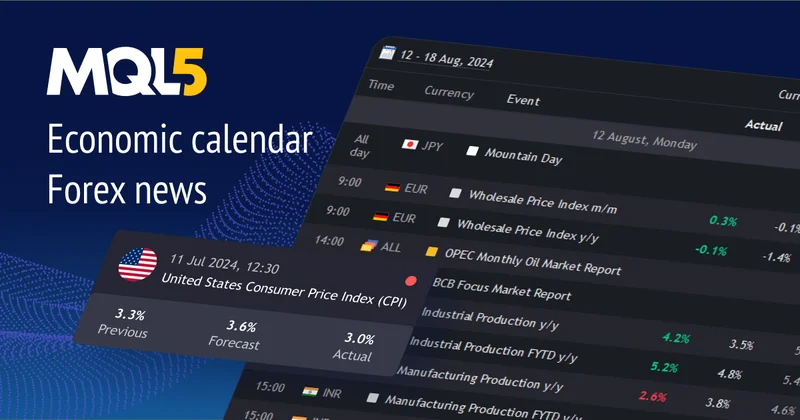
A rise in consumer sentiment could signal increased spending and economic activity. People are feeling more confident, they're more likely to open their wallets, which is good for growth. But it's South Korea. How much does that really tell us about the US market? The global economy is interconnected, sure, but South Korea's unique economic structure and consumer behavior make direct comparisons problematic.
And here's the kicker: inflation expectations remained unchanged. This suggests that while consumers are feeling better, they don't necessarily expect prices to rise significantly. This could be interpreted in two ways. Either they believe inflation is under control, or they're simply not factoring it into their spending decisions. Which is it? Details on the underlying factors driving consumer sentiment – income growth, employment prospects, government policies – are crucial, but currently unavailable.
The market often behaves like a herd of sheep, stampeding in one direction based on limited information. South Korea's data is like a faint signal in a sea of noise. It's interesting, perhaps even encouraging, but it shouldn't be the sole basis for investment decisions.
I've looked at hundreds of these filings, and this particular set of data points is unusual. It's like trying to assemble a puzzle with missing pieces. We have some information, but not enough to form a complete picture. The PPI and PCE reports will undoubtedly move the markets this week, but it's crucial to remember that they're just snapshots in time, not crystal balls. As for South Korea, it's a data point worth watching, but one that requires further investigation before drawing any firm conclusions.
The markets are being led around by the nose by lagging indicators while ignoring potentially more insightful, if geographically specific, data. It's a classic case of Wall Street overreacting to easily digestible narratives, rather than digging deeper for the less obvious, but potentially more valuable, truths.



Rain Today: What the Models Actually Say
2025-11-26